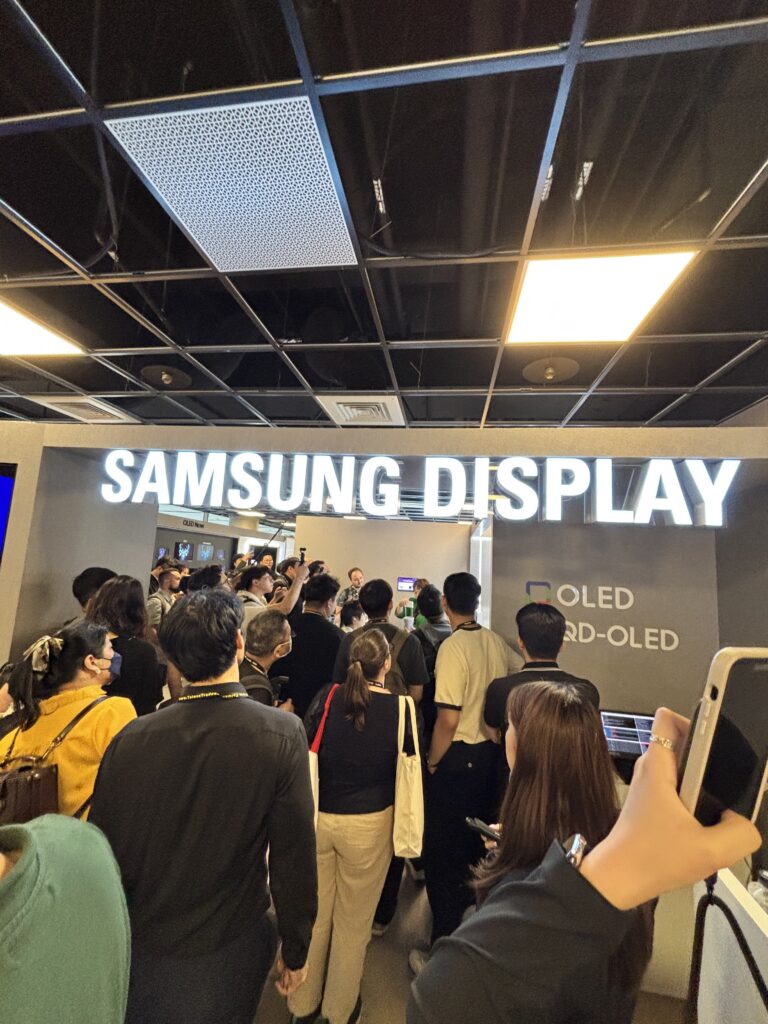
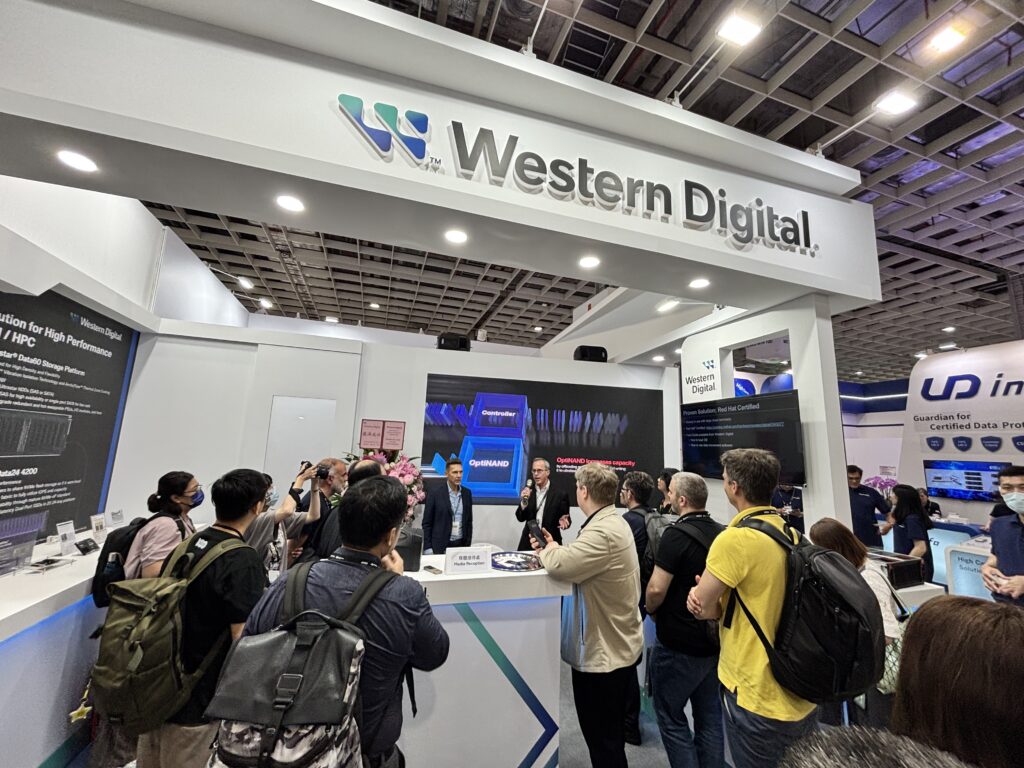
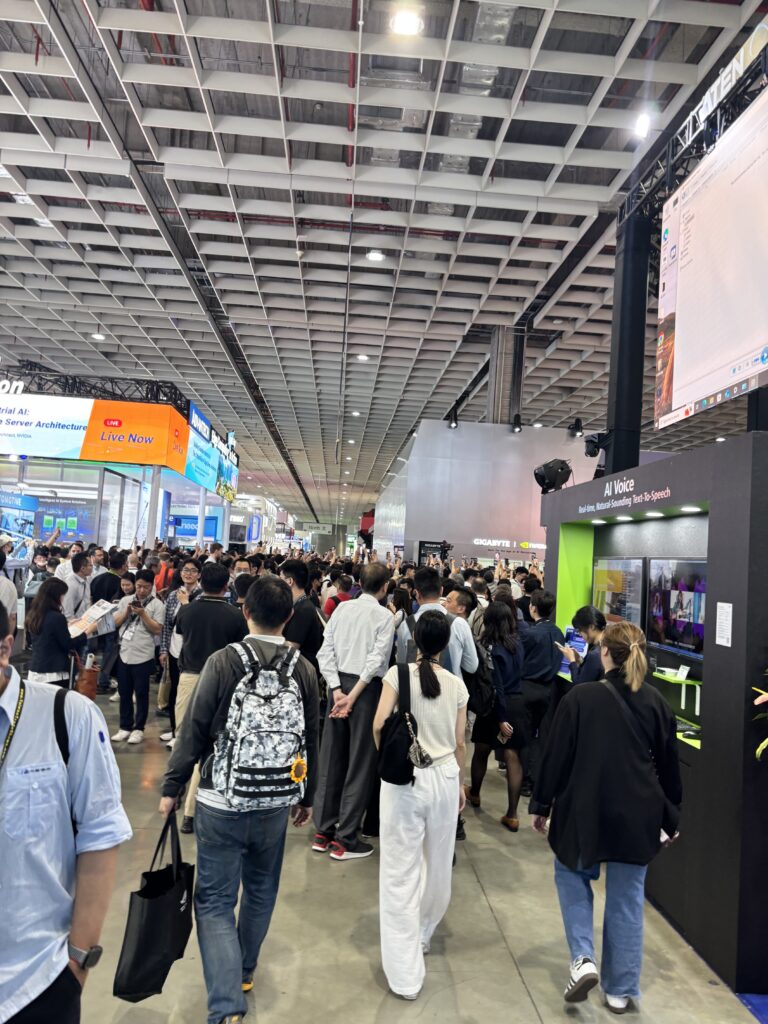
When late May or early June rolls around in Taiwan, something funny starts to happen. Calendars go feral. Schedules get packed. Hotel prices climb. And offices that were busy a week earlier start looking suspiciously like ghost towns. That annual disappearance says a lot about COMPUTEX and the place it has long held in the global tech calendar. For years, the show has been associated with laptops, computers, hardware and the ecosystem behind them. But COMPUTEX now feels far bigger than that familiar image suggests. It has become one of the defining weeks in tech — a moment when the industry gathers, the spotlight sharpens, and the next wave of stories starts to come into view.
That shift did not happen overnight. Established in 1981, COMPUTEX has spent 45 years evolving alongside the industries it helps bring together. For much of that time, what it represented sat slightly behind the scenes: hardware, semiconductors, infrastructure and supply chains — the systems quietly powering a world that was becoming more digital by the year. As technology became more embedded in how we live, work and do business, those layers only grew in importance. Global semiconductor sales alone rose from $335.2 billion in 2015 to $630.5 billion in 2024.
And the rise of AI is making COMPUTEX and the machinery behind modern technology bigger, more visible and consequential than ever. What AI changed was not COMPUTEX’s relevance, but the world’s visibility into those systems. Suddenly, the parts of the industry that used to hum away in the background became the biggest story in technology: chips, servers, cooling, infrastructure, manufacturing capacity and supply chains. Global data center capex surged 51% to $455 billion in 2024 as companies raced to build the compute backbone for AI. That has made COMPUTEX feel bigger, more mainstream and more urgent — not because it was ever niche to the people who understood the industry, but because far more of the world is now paying attention to the systems it has long represented. Taiwan’s role in the semiconductor and compute story only sharpens that importance.
That is also what makes COMPUTEX feel different from so many other major tech events. Plenty of shows now talk about AI, almost all of them do. But COMPUTEX sits much closer to the systems, suppliers and strategic relationships actually powering the AI era. This is not just where people discuss what AI might do. It is where the ecosystem behind it comes into view — the hardware, the infrastructure, the manufacturing backbone, the supply-chain partners, the buyers, the integrators and the companies making the whole thing possible. With 1,400 exhibitors, 4,800+ booths and more than 80,000 tech professionals, entrepreneurs, buyers and international media, this is one of the places where the future of compute becomes tangible at scale. And with the Edge AI market projected to reach US$80 billion by 2029, the commercial backdrop is only getting bigger — not just around cloud-scale training, but around inference, physical AI and the rise of NPUs as intelligence moves closer to devices, machines and the world around us.
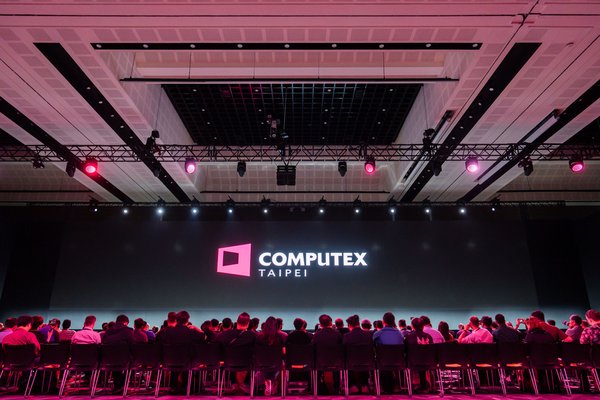
That scale creates real business gravity. For one intense stretch, the technology industry stops being scattered across countries, time zones, inboxes and conference calls and shows up in the same place at once. Platform leaders, PC brands, infrastructure players, suppliers, buyers, partners, media, analysts and decision-makers all pile into the same city trying to get things done. That is what gives the week its force. It is not just booths. It is meetings, briefings, demos, dinners, side conversations, executive visibility and quiet commercial conversations happening all around them. For the world’s largest tech companies especially, COMPUTEX is one of the best places to get closer to the supply-chain partners and ecosystem relationships that matter most. It is not simply a place to show products. It is a place to facilitate business, strengthen partnerships and move serious commercial conversations forward while the market gathers in one place.
And because the market gathers in one place, the world watches too. Every year, COMPUTEX draws more than 500 international journalists and generates tens of thousands of pieces of coverage, while analysts, creators, commentators and investors all look to Taiwan for signals about where the industry is heading next. That attention only intensifies when some of the biggest names in AI and compute — from NVIDIA and Qualcomm to Foxconn, MediaTek and NXP — use COMPUTEX week to unveil major products, partnerships and strategic moves. Announcements do not just get made at COMPUTEX; they land in a week when the right people are already paying attention.
That is what makes the show more than a commercial or operational moment. It is also a moment for brand storytelling and business storytelling — a chance for companies to show not just what they make, but why they matter in the bigger shifts reshaping the industry. For communications teams, that creates a major opportunity: to help leadership show up with a clear point of view, a sharper story and a stronger sense of how the brand wants to be seen while the market is watching.
COMPUTEX has always mattered to the technology industry. What has changed is how visible, how central and how consequential that importance now feels. In an era defined by AI, compute and the race to build what comes next, this is one of the moments where the ecosystem comes fully into view. That is why COMPUTEX deserves to be seen not just as a trade show, but as a stage — for ideas, for business, for partnerships and for the stories that will shape what comes next. And for any brand thinking seriously about where it fits in the next chapter of technology, this is not just a moment worth paying attention to. It is a moment worth stepping into.