Paul Fabretti put it plainly in a recent piece that has made the rounds online in PR circles: Content and coverage need to be published not only for human eyes, but also for machines. It is an accurate observation. But it is also not new.
“The point is not that comms work has suddenly changed species. It is that coverage now needs to function not only as persuasion for humans, but as a clear factual source that a machine can retrieve.”
—Paul Fabretti
For decades, communicators have always written with both audiences in mind. SEO, at its best, has long required a careful balance between human relevance and machine readability. What has changed in this new era of AI is the standard for information retrievability.
Fabretti’s argument is not a eulogy for SEO. It is a reminder that SEO’s underlying principles still matter and that GEO practices pursued carelessly risk damaging the very SEO foundations that make AI visibility work in the first place. Weaken your authority in traditional search, and your presence in AI systems typically weakens with it. The two are not separate ecosystems; they rely on each other (at least at the present moment).
SEO and GEO Must Be Tackled Together
Our view is straightforward. SEO and GEO are two lanes of the same road, and a brand that commits to only one will find itself left behind. The question is not which discipline is winning; it is how to run them in parallel.
SEO remains the fastest route for brands to get moving and cannot be skipped. Rankings, authority and structured web presence form the foundation that AI systems read from.
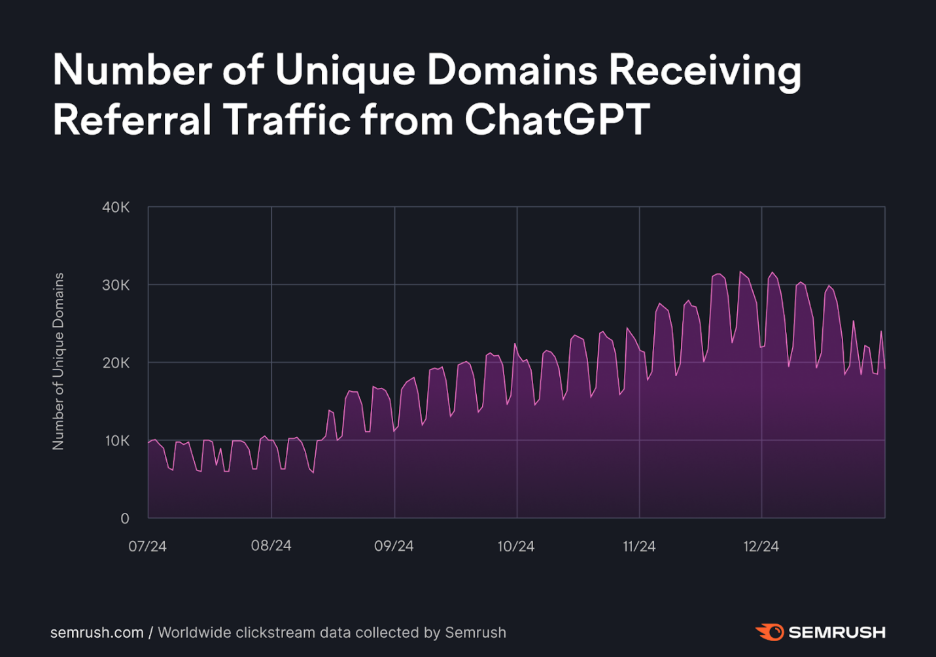
Whereas GEO is the emerging highway. Generative and answer engines draw from a wider universe of sources, including forums, analyst commentary, owned media, Wikipedia, even YouTube videos (and their transcribed content) and earned coverage.
What does translate to both disciplines? Presence in the right places, trusted by the right sources, packaged in formats that a model can retrieve. That is a communications challenge as much as a technical one.
Enter Earned Discovery
We call our approach at Hoffman “earned discovery.” It’s a form of Generative Engine Optimization and Answer Engine Optimization that prioritizes quality and placement over volume.
While some GEO-only agencies are recommending high-volume content refreshes and forced FAQ generation, that is not the path forward. There is already too much AI slop or trash volume on the internet. It’s not helpful for you as a human reader, and it’s not going to get you the result your CMO wants.
Quality content, landed in the right places, is the single greatest determinant of whether you appear in a generative AI response. Earned media will always matter, but strong coverage alone does not increase discoverability. Your website, owned content, online forums like Reddit, user-generated content, analyst points of view and Wikipedia all enter the equation. A winning strategy requires not a spike in output, but a deliberate construction of presence across every layer of the web that AI systems draw from.
The skills that have always lived in strategic communications — source credibility, message clarity, placement strategy and narrative coherence — turn out to be exactly what AI engines reward.
What Has Changed in the AI Era?
Despite what GEO-only agencies may be peddling, much of the discoverability strategy has stayed the same. The main shifts are how we think about the sources that form the narrative, the formatting for machine retrieval and the recognition that GEO is a new highway lane running alongside SEO.
What does not change is the commitment to valuable content and truthful journalism. In fact, there is a case to be made that the shift toward AI-driven search will ultimately reward these qualities more, not less. The next generation of AI search may move away from the Google index entirely toward knowledge graphs and trusted-source rankings that are not purely keyword-based. In that world, a piece of factual, authoritative coverage that currently sits on page 30 of a search result could surface at the top of a generative AI response. Trustworthy information, verified sources and credible journalism will matter more, not less.
That is a world that communications is built for.
Questions Answered
Q: Does GEO reduce the impact of SEO?
A: The simple answer is no. GEO does not render SEO irrelevant, but it does raise the stakes for doing SEO well. AI systems still draw heavily from indexed web content. If your organic authority declines, your visibility in generative AI systems tends to decline as well. The two disciplines must be run in parallel.
Q: Why do you call it “earned discovery”?
A: Discoverability in AI systems is not purchased or gamed into existence. Rather, it is earned through the quality and placement of content over time. The phrase captures two things simultaneously: the earned media heritage of the communications practice, and the idea that appearing in a generative AI response is a form of discovery, not just a ranking. Earned discovery is our term for a holistic approach to GEO and AEO (Answer Engine Optimization) that prioritizes credible, well-placed content across your company’s full online profile, including owned media, forums, analyst commentary, Wikipedia and earned coverage.
Q: Does The Hoffman Agency offer GEO services?
A: Yes, through our earned discovery framework. We help clients build the kind of online profile that AI engines recognize and retrieve: well-structured owned content, strategic placement in high-authority third-party sources and narrative coherence across every source that generative models draw from. We do not offer high-volume synthetic content, programmatic FAQ generation or other tactics that trade short-term AI citations for long-term authority erosion.